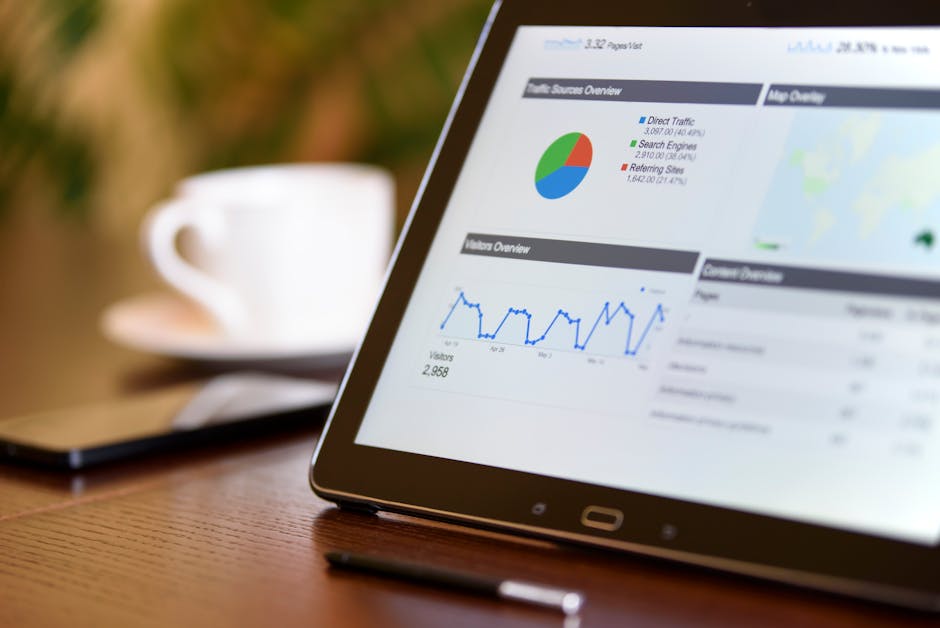
Nonprofits collect valuable data from donations, programs, volunteers, and outreach, but many teams struggle to turn it into action. Data analytics solutions for nonprofits help transform raw information into clear insights that improve decision-making, strengthen fundraising, and expand mission impact.
A strong analytics approach helps nonprofits understand which programs are creating the greatest impact. By reviewing participation trends, outcome metrics, and service delivery data, leaders can see what is working and where improvements are needed. This makes it easier to align daily operations with long-term mission goals. Instead of relying on assumptions, organizations can base strategy on evidence. That clarity helps staff and board members make better choices with limited resources. Over time, this leads to smarter planning and stronger results.
Data analytics also helps nonprofits identify the populations they are serving most effectively. When program teams can segment participants by location, need, age group, or engagement level, they gain a fuller picture of community reach. This insight can reveal service gaps that may not be visible through anecdotal feedback alone. It also supports more targeted program design, so organizations can meet needs with greater precision. A data-informed strategy can increase both efficiency and equity. The result is a mission that responds more directly to real-world conditions. Analytics can improve accountability across the organization by connecting activities to measurable outcomes. Nonprofits often need to report impact to boards, donors, and grantmakers, and data makes those reports more credible. Clear dashboards and outcome summaries help demonstrate progress in a way that is easy to understand. They also support internal learning by showing where adjustments are needed. When teams can review results regularly, they can adapt faster and avoid wasted effort. This creates a culture of continuous improvement centered on mission outcomes.
Data analytics solutions for nonprofits can reveal patterns in donor behavior that improve fundraising performance. By analyzing giving history, donation frequency, campaign response, and engagement levels, organizations can identify their most valuable supporters. This allows development teams to focus outreach on the right audiences with the right message. Personalized communication often leads to stronger relationships and better retention. Rather than sending generic appeals, nonprofits can create more relevant experiences for donors. That relevance can increase both short-term gifts and long-term loyalty.
Analytics can also help nonprofits understand which campaigns are worth repeating and which ones need refinement. When teams compare email open rates, landing page performance, and donation conversion metrics, they gain a clear view of what drives action. This information makes it possible to improve future fundraising efforts with confidence. It also reduces guesswork when allocating marketing budget and staff time. Better campaign insight means better use of every dollar raised. In a resource-constrained environment, that efficiency matters greatly. Donor retention is another area where data provides a major advantage. Many nonprofits spend a large amount of time acquiring new supporters, but keeping existing donors engaged is often more cost-effective. Analytics can flag when a donor has become inactive or when engagement is declining. That gives teams an opportunity to act before the relationship is lost. With the right data, stewardship can become timely, personal, and meaningful. Over time, this leads to more stable revenue and a stronger base of support.
Operational data helps nonprofits understand how staff time, budgets, and services are being used. Analytics can highlight bottlenecks, duplicate efforts, and areas where capacity is stretched too thin. This enables leaders to make more informed decisions about staffing and scheduling. It can also show which processes are slowing down service delivery. When teams know where inefficiencies exist, they can improve workflows and reduce waste. Better operations free up more energy for direct mission work.
Resource allocation becomes more strategic when nonprofits have access to timely data. Instead of spreading support evenly across all programs, organizations can direct funding and staff time to the initiatives that generate the strongest outcomes. This does not mean ignoring smaller projects, but it does mean making informed tradeoffs. Analytics makes those tradeoffs easier to justify and communicate. It also helps teams prepare for seasonal demand or sudden changes in community needs. With clearer visibility, leaders can plan with more confidence. Technology also reduces the burden of manual reporting and spreadsheet management. A centralized analytics solution can bring together data from fundraising systems, client records, volunteer platforms, and finance tools. That integration saves time and reduces errors caused by disconnected systems. It also gives staff one reliable source of truth for reporting and planning. When employees spend less time gathering data, they can spend more time serving people. The organization becomes more agile, organized, and responsive.
The most effective data analytics solutions for nonprofits do more than generate reports. They help create a culture where staff members use data in everyday decision-making. That means making insights accessible, understandable, and useful across departments. When program, fundraising, and leadership teams all work from the same information, collaboration improves. Shared metrics also reduce confusion and encourage alignment. A strong data culture turns analytics into a habit rather than a one-time project.
Training is essential for helping nonprofit teams feel confident using analytics tools. Many organizations have talented staff who know their communities well but may need support interpreting dashboards or selecting metrics. Simple workflows, clear definitions, and regular review meetings can make data easier to use. When employees understand how analytics connects to their work, adoption improves. This leads to more consistent reporting and better internal communication. Over time, data literacy becomes part of organizational strength.
Data strategy consulting helps nonprofits define the right metrics, tools, and workflows for their mission. A consulting partner can assess current systems and identify gaps in reporting, integration, and visibility. This creates a practical roadmap for using data more effectively across the organization. It also ensures analytics efforts are tied to real goals instead of vanity metrics. With expert guidance, nonprofits can build a strategy that scales with their needs. The result is a stronger foundation for long-term data use.
Nonprofit Data Strategy Consulting
Data strategy consulting helps nonprofits define the right metrics, tools, and workflows for their mission. A consulting partner can assess current systems and identify gaps in reporting, integration, and visibility. This creates a practical roadmap for using data more effectively across the organization. It also ensures analytics efforts are tied to real goals instead of vanity metrics. With expert guidance, nonprofits can build a strategy that scales with their needs. The result is a stronger foundation for long-term data use.
Dashboard and Reporting Development
Custom dashboards give nonprofit teams fast access to the metrics that matter most. These tools can combine fundraising, program, and operational data into a single view that is easy to understand. Automated reporting reduces manual work and helps staff stay current on performance. Leaders can use dashboards to monitor trends, compare outcomes, and share results with stakeholders. This makes it easier to act quickly and communicate clearly. Better reporting leads to better decisions at every level.
Data Integration and Analytics Automation
Data integration services connect the systems nonprofits already use, such as CRM platforms, donation tools, email systems, and service databases. When data is centralized, organizations gain a more complete and accurate view of their work. Analytics automation then turns that data into recurring insights without constant manual effort. This saves time, reduces errors, and improves consistency. It also helps teams react faster to changes in donor activity or program performance. For growing nonprofits, automation can be a major operational advantage.
Hear from clients who discovered what exceptional partnership feels like. FYC raises the standard and delivers results worth celebrating. get started