Football in Texas: The Heartbeat of Sports Culture
Football is more than a game in Texas; it is a tradition that connects families, schools, cities, and generations. From Friday night high school lights to college rivalries and professional stadiums, the sport shapes the identity of communities across the state.
High School Football Builds Local Pride
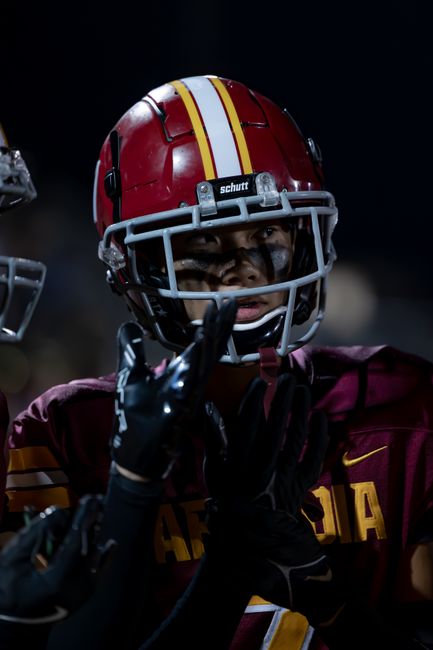
High school football in Texas is one of the strongest examples of local pride in American sports. On Friday nights, small towns and large suburbs alike gather in stadiums to support their teams. The games become weekly community events where students, parents, alumni, and local businesses all take part. Marching bands, cheer squads, drill teams, and student sections add to the energy that surrounds the field. For many communities, the football team represents hard work, teamwork, and the shared identity of the town.
The size and quality of many Texas high school football stadiums show how seriously the state takes the sport. Some facilities look more like small college venues than typical school fields, with large seating areas, video boards, and modern training spaces. These stadiums are not just built for games; they are built as gathering places for the community. Local sponsors, booster clubs, and school districts often invest heavily because football brings people together. This support helps athletes feel that their efforts matter beyond the scoreboard. High school football also teaches lessons that extend beyond athletics. Players learn discipline through long practices, early workouts, and demanding schedules. Coaches often emphasize responsibility, leadership, and accountability as much as blocking, passing, and tackling. Many young athletes use football as a path to college opportunities, whether through scholarships or the life skills gained from competition. Even for students who never play after graduation, the experience can shape confidence and character for years to come.
College Football Fuels Statewide Rivalries
College football has a powerful presence in Texas because so many major programs compete for attention across the state. Schools such as Texas, Texas A&M, Texas Tech, Baylor, TCU, Houston, SMU, and others all bring passionate fan bases to the sports landscape. Each program has its own traditions, colors, chants, and history. Fans often grow up supporting a school long before they ever step on a campus. This deep loyalty keeps college football conversations alive year-round.
Rivalries are a major reason college football feels so intense in Texas. Games between in-state opponents carry bragging rights that can last for an entire season or longer. Families, coworkers, and friends often find themselves on opposite sides of these matchups, which makes the games feel personal. Tailgating before kickoff adds food, music, and celebration to the competition. These rivalries help turn ordinary Saturdays into major cultural events across the state. College football also has a major economic impact in Texas cities and college towns. Hotels, restaurants, gas stations, and shops often see increased business when fans travel for games. Universities benefit from ticket sales, merchandise, media attention, and alumni engagement. A successful football program can raise a school's profile and create a stronger connection with supporters. In Texas, college football is not only a sport but also a powerful driver of pride, tourism, and tradition.
Professional Teams Carry Texas onto the National Stage
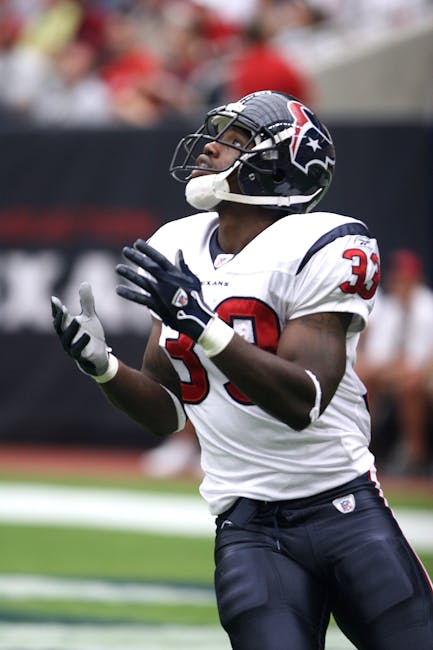
Professional football gives Texas a national spotlight through teams that attract fans across the country. The Dallas Cowboys are one of the most recognized sports franchises in the world, with a history filled with championships, star players, and massive media attention. Their brand reaches far beyond Texas, but their roots remain tied to the state's football identity. The Houston Texans also represent a major market with a loyal and growing fan base. Together, these teams keep Texas connected to the highest level of the sport.
The stadium experience for professional football in Texas is a major part of the appeal. AT&T Stadium in Arlington is known for its size, technology, and event atmosphere. NRG Stadium in Houston also hosts major football games and large sporting events that bring fans from many places. These venues are more than places to watch games; they are entertainment destinations. Fans attend for the action on the field, but also for the food, music, pregame events, and shared excitement. Professional football also inspires younger players throughout the state. Children who watch their favorite athletes on Sundays often dream of playing under the same lights one day. Youth leagues, school programs, and training camps benefit from the visibility of pro teams. When professional players visit communities, support charities, or host clinics, they strengthen the bond between the sport and the public. This connection helps keep football at the center of Texas sports culture from one generation to the next.
Football Connects Communities Across Texas
Football connects Texas communities because it creates shared experiences that people remember for years. A last-second touchdown, a playoff run, or a rivalry win can become part of a town's story. Families often pass down team loyalties from parents to children, making the sport part of personal history. Local traditions, such as homecoming games and senior nights, add emotional meaning to each season. These moments turn football into a bond that reaches beyond age, background, or neighborhood.
The sport also brings together many groups who contribute to the full game-day experience. Players may be the focus, but bands, trainers, coaches, volunteers, announcers, concession workers, and fans all play important roles. Local businesses often support teams through sponsorships, signs, fundraising, and community events. Churches, civic groups, and youth organizations may also rally around football programs. This shared involvement makes the sport a community effort rather than just a competition. Football in Texas continues to evolve while holding onto its traditions. Safety awareness, improved training, and better equipment have changed how the game is taught and played. Digital media now allows fans to follow teams, highlights, and recruiting news more closely than ever. Yet the core of Texas football remains the same: pride, passion, and connection. Whether in a small-town stadium or a professional arena, the game continues to unite people across the state.
Ready to build?
Talk with FYC Labs about your product, platform, or marketing site.
Contact us