Nonprofit Impact Dashboard Development for Clearer Results and Funding Insights
Nonprofit Impact Dashboard Development for Clearer Results and Funding Insights
Nonprofit Impact Dashboard Development helps organizations turn scattered data into clear, actionable insight. By combining program results, donor metrics, and funding outcomes in one place, nonprofits can make smarter decisions and communicate value with confidence.
FYC and Its Innovative Solutions Featured In
Why nonprofits need impact dashboards to unify data and decision making
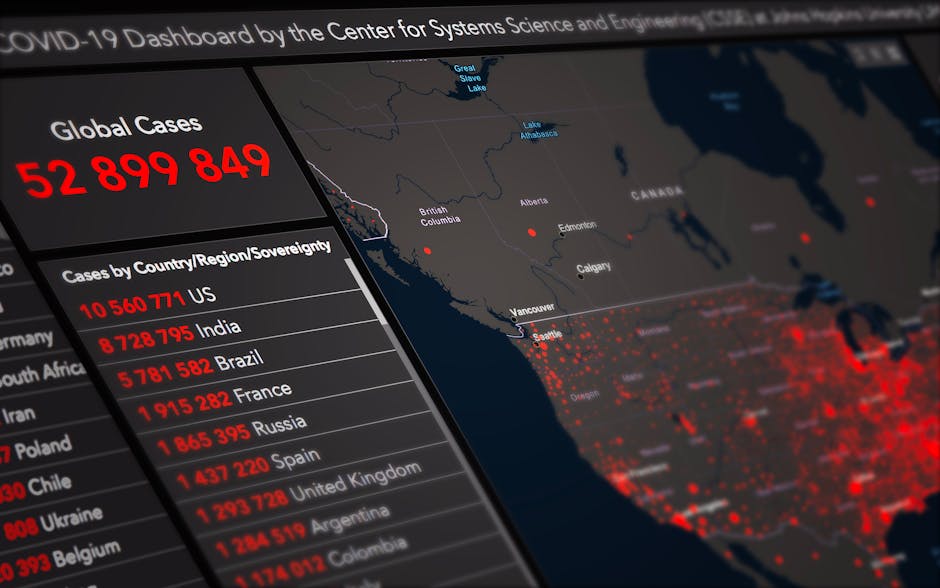
Many nonprofits track progress in separate spreadsheets, grant reports, and case management tools, which makes it difficult to see the full picture. An impact dashboard brings those data sources together so leaders can understand performance at a glance. This creates a single source of truth for program activity, outcomes, and financial health. When teams can see the same metrics, they spend less time debating numbers and more time acting on them. The result is better internal alignment and faster decision making. Clear dashboards also reduce the risk of missing important trends hidden in disconnected reports.
A well-designed nonprofit dashboard helps staff and executives focus on what matters most. Instead of drowning in raw data, users can track key indicators such as participant reach, retention rates, service completion, and outcome milestones. Visual summaries make it easier to compare performance across programs, locations, or time periods. This visibility supports more accurate planning, stronger reporting, and better resource allocation. It also helps organizations identify which efforts are producing the strongest results. With that insight, nonprofits can refine their strategies and improve mission impact over time. Impact dashboards are especially valuable when nonprofit teams need to report quickly to boards, funders, and community stakeholders. Instead of assembling a new report every time, leaders can rely on live or regularly updated metrics. This saves staff time and creates consistency in how success is measured and communicated. Dashboards can also highlight both achievements and gaps, which encourages transparency and accountability. That transparency builds trust with donors and partners who want to understand how their support is making a difference. In many organizations, the dashboard becomes the foundation for a more data informed culture.
How funding outcome tracking strengthens donor confidence and grant reporting
Funders increasingly want evidence that their investments create measurable change, not just activity counts. Tracking funding outcomes in a dashboard allows nonprofits to show how dollars support specific programs and results. This can include output data, outcome progress, and cost per participant or service delivered. When grantmakers can see that funds are tied to clear performance measures, confidence in the organization grows. It becomes easier to tell a compelling story that connects investment to impact. Strong funding visibility can also improve renewal conversations and future fundraising efforts.
A dashboard that connects program metrics with funding sources helps nonprofits understand return on investment across initiatives. Leaders can compare which grants support the most effective programs and where additional funding is needed. This is especially useful when multiple funders support overlapping services or shared outcomes. Rather than treating fundraising and program management as separate tasks, the organization can see how they influence each other. That insight supports smarter budgeting and more strategic grant pursuit. It also helps nonprofits justify staffing, technology, or expansion requests with evidence. Transparent funding outcome reporting can make compliance easier and less stressful for teams. Grant deadlines, required indicators, and narrative updates often create pressure when data is hard to gather. A custom dashboard can organize those measures in one place, making reporting more efficient and accurate. Staff can monitor progress throughout the year instead of scrambling at the end of a grant cycle. This improves data quality and reduces reporting errors. Over time, the organization develops a stronger reputation for reliability and stewardship.
Designing nonprofit dashboards around program performance and stakeholder needs
The best nonprofit dashboards are not generic analytics tools, but custom systems built around specific mission goals. A youth services organization will need different metrics than a food security nonprofit or a health access nonprofit. That is why dashboard design should begin with stakeholder interviews and clear definitions of success. When the right metrics are chosen early, the dashboard becomes practical and easy to use. It reflects how the organization actually works, instead of forcing teams into a rigid template. This tailored approach increases adoption and makes the dashboard more valuable from day one.
Good dashboard design also considers the needs of different user groups. Executives may want high level trends, program managers may need operational details, and development teams may need funding visibility. A flexible interface can present layered views so each audience sees what is most relevant. This avoids clutter while preserving depth for users who need it. Charts, filters, and drill down options make the information easier to explore. The result is a dashboard that supports both strategy and day to day management. Data visualization plays a central role in making nonprofit information understandable. Color coded charts, progress bars, and trend lines help users spot patterns quickly and act with confidence. However, design should prioritize clarity over decoration, especially when staff members may not be data specialists. Accessible labels, simple navigation, and mobile friendly layouts all improve usability. When a dashboard is intuitive, teams are more likely to use it consistently. That consistent use leads to better decisions, stronger reporting, and a clearer sense of mission progress.
Using custom dashboard development to scale impact and improve accountability
Custom dashboard development gives nonprofits the flexibility to grow without losing visibility into operations. As programs expand, data becomes more complex and manual tracking becomes harder to sustain. A scalable dashboard can integrate new metrics, additional locations, and evolving reporting needs. This helps organizations remain organized as they pursue larger grants or launch new initiatives. It also supports consistent measurement across departments and partners. With the right architecture, a dashboard can evolve alongside the mission instead of becoming outdated.
Accountability is another major benefit of nonprofit impact dashboard development. When leadership can monitor outcomes regularly, it becomes easier to identify where interventions are working and where changes are needed. Teams can respond faster to underperformance, adjust program delivery, and document improvements over time. This creates a stronger feedback loop between data and action. Funders and board members also appreciate having transparent access to reliable information. In this way, dashboards help build a culture where accountability is part of everyday work. A custom dashboard can also enhance collaboration across staff, leadership, and external stakeholders. Shared access to the same visual data reduces confusion and encourages productive conversations about priorities. It can support board presentations, annual reviews, strategic planning, and community storytelling. When everyone sees progress in a consistent format, it is easier to stay aligned around goals. This shared understanding improves both internal operations and external communication. Ultimately, a well-built dashboard helps nonprofits scale their impact while staying focused on the people they serve.
Services that support effective nonprofit impact dashboard development
Custom dashboard design helps nonprofits translate their unique goals into clear, usable reporting tools. The process starts by identifying the right outcomes, performance indicators, and audience needs. From there, the dashboard is structured to show the most important information without unnecessary complexity. This service is especially useful for organizations that need to connect program results with funding sources and stakeholder reporting. A tailored design makes it easier to improve transparency, track progress, and support decision making. It also creates a professional reporting experience that reflects the organization's mission and credibility.
Custom dashboard design helps nonprofits translate their unique goals into clear, usable reporting tools. The process starts by identifying the right outcomes, performance indicators, and audience needs. From there, the dashboard is structured to show the most important information without unnecessary complexity. This service is especially useful for organizations that need to connect program results with funding sources and stakeholder reporting. A tailored design makes it easier to improve transparency, track progress, and support decision making. It also creates a professional reporting experience that reflects the organization's mission and credibility.
Data integration and reporting automation
Data integration and reporting automation reduce the manual effort required to maintain accurate nonprofit reporting. This service connects data from CRMs, grant systems, spreadsheets, and program databases into one reliable dashboard environment. Automated updates keep metrics current and minimize human error. For nonprofits with limited staff capacity, this can save valuable time and prevent reporting bottlenecks. It also makes it easier to produce consistent reports for board meetings, grant submissions, and internal reviews. The result is a stronger, more efficient data workflow that supports long term accountability.
Impact metric strategy and analytics consulting helps nonprofits decide which numbers truly matter. Not every metric belongs on a dashboard, so the right advisory support can prevent information overload and sharpen focus. This service helps organizations define outcome measures, align them with funding expectations, and build a reporting framework that reflects mission priorities. It can also uncover gaps in data collection that need to be addressed before the dashboard is fully effective. With expert guidance, nonprofits gain a clearer path to measuring success and demonstrating value. That clarity makes the dashboard more useful for both internal learning and external fundraising.
See why clients trust FYC to raise the standard for development partners and deliver results they can count on
Working with the team at FYC was an incredible experience. As a founder who codes, I can speak uniquely to the way FYC does everything they can to improve not just your product from a tech perspective but your understanding of the choices and directions to take. From idea to implementation, we knew we were in good hands, and we hope we get to work with them more in the future. All dev shops are not created equal. FYC sets the bar very high.
Mantis XR
KAHLIL ASHANTI,
FOUNDER AND CEO
FYC Labs has been a wonderful partner. Their consistent and reliable support has allowed us to develop a portal for the Fundraising Academy that exceeds our expectations. They have collaborated successfully with our internal resources and been there for us every step of the way.
National University SystemsSusan Edmiston,
Sr. Director, Operations & Innovation
FYC has beyond exceeded our expectations. Their talent, expertise, kindness, and commitment are unmatched. Many startup founders advise against working with outsourced teams and we were also hesitant. However, after meeting FYC we knew we had found a special organization. After working with them for over 8 months, they have exceeded every expectation, helped us deploy an incredible product and have been thought partners on our journey from MVP to growth stage. I could not recommend them more.